

Blog Post
A look at what three European bioeconomy projects have to gain from working together
Some background
The transition towards a circular and climate-neutral economy requires innovative solutions capable of transforming biowaste into valuable resources. Several Horizon Europe and LIFE projects are working on complementary technologies to recover nutrients, carbon and energy from organic waste streams, reducing environmental impacts and improving resource efficiency.
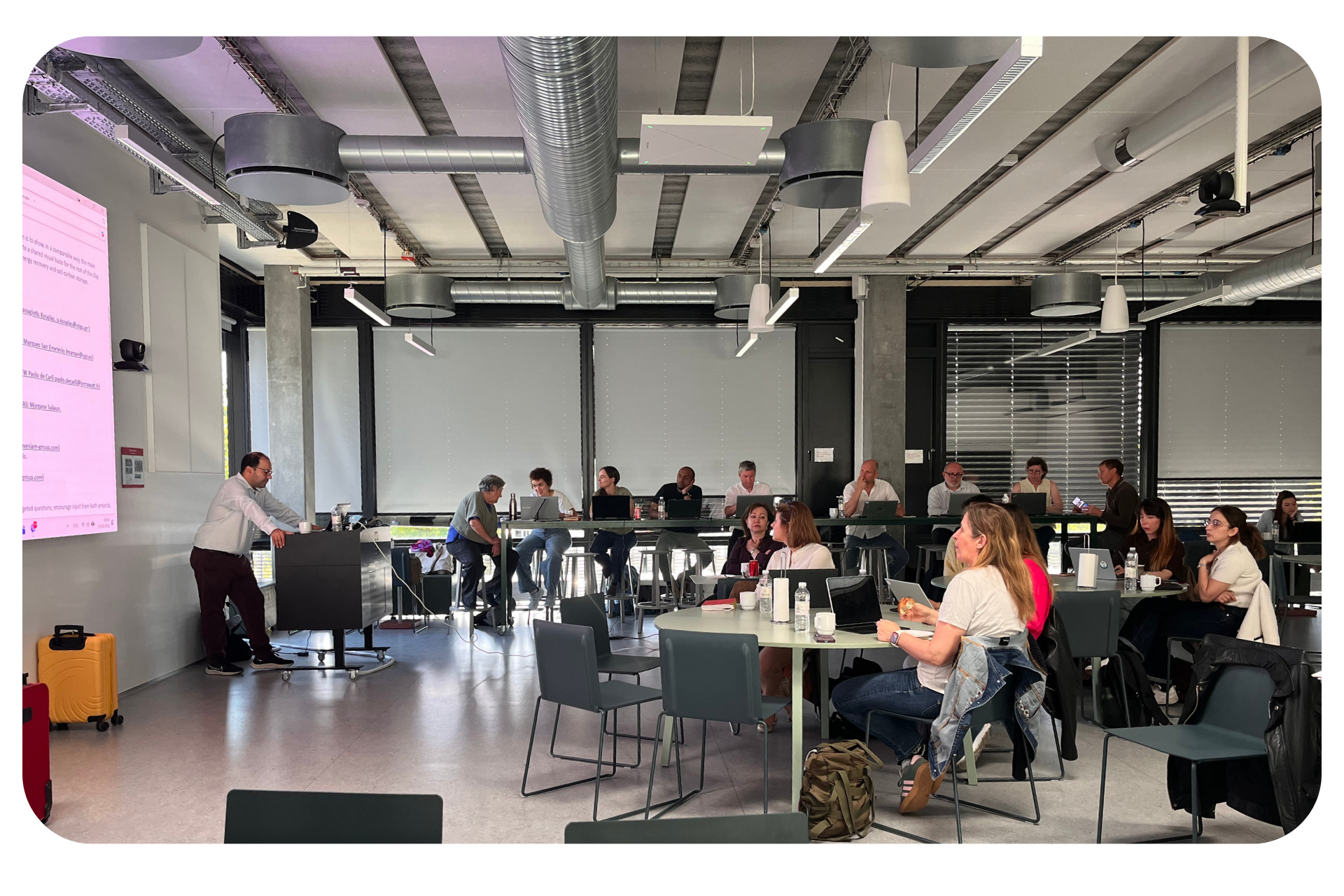
On 29 May 2026, three of these projects, FENIX, CRONUS and LIFE DIMITRA, met at the Technical University of Denmark (DTU) to exchange knowledge, identify synergies and explore future cooperation. The joint event was organised by DTU together with the project coordinators on the occasion of the FENIX and CRONUS General Assemblies, as several organisations are actively involved in both initiatives.
The workshop brought together experts from academia, industry and innovation organisations to discuss how different biowaste valorisation pathways can contribute to sustainable agriculture, nutrient circularity, carbon management and climate mitigation.
The challenges ahead
Europe generates millions of tonnes of organic waste and digestate every year through agricultural, industrial and municipal activities. While these streams contain valuable nutrients and carbon resources, many remain underutilised or face significant barriers related to logistics, regulation, market uptake and public acceptance. At the same time, Europe seeks to reduce its dependence on imported fertilisers and fossil-based resources while restoring soil health and achieving climate neutrality objectives. Technologies such as anaerobic digestion, biochar production, nutrient recovery and carbon capture offer significant opportunities, but their full potential can only be realised through integrated approaches that connect material, energy, nutrient and carbon flows. The joint workshop addressed these challenges by bringing together complementary projects working across different parts of the circular bioeconomy value chain.
A day of discussions
The workshop started with a common framing session where the three projects introduced their objectives, technologies and expected impacts. Participants then mapped the main interfaces between the projects, identifying digestate, biochar, biomethane, biogenic CO₂, syngas, nutrients, clean water and soil carbon as common themes and potential collaboration areas.
A first technical session focused on biochar, digestate and biogenic carbon valorisation. Discussions highlighted the growing interest in moving beyond biochar as a standalone product towards integrated biochar-based fertilisers and soil improvers. Participants also explored opportunities for biochar applications beyond agriculture, including the cement, asphalt and construction sectors. Challenges such as feedstock quality, heavy metal contamination risks and the need for common quality standards for biochar were identified as key areas for future work.
The sustainability session examined environmental, social and circularity benefits associated with biowaste valorisation pathways. Discussions emphasised the importance of waste valorisation as a driver of circularity, while recognising that biomass availability and feedstock quality may become limiting factors as demand for bio-based products increases. Urban biowaste streams were highlighted as an important resource, although additional efforts are needed to ensure consistent quality for high-value applications.
The deployment session addressed the practical conditions required for large-scale implementation. Participants discussed regulatory frameworks, market uptake challenges and economic viability. The limited number of biochar production plants in Europe, low farmer awareness, market uncertainty and concerns regarding product quality and environmental impacts were identified as key barriers. At the same time, promising market opportunities were recognised, particularly in urban green infrastructure, public green spaces and sustainable agriculture.
The event concluded with discussions on future collaboration opportunities, including potential participation in upcoming Horizon Europe calls related to circular bioeconomy and sustainable resource management.
What FENIX brings
FENIX contributes its expertise in transforming biowaste into innovative soil improvers through the combination of biochar and digestate, developing solutions that simultaneously address nutrient recycling, soil health improvement and carbon sequestration. The discussions held during the joint workshop confirmed that many of the challenges addressed by FENIX, such as digestate valorisation, biochar quality, regulatory compliance and market uptake, are shared across the wider bioeconomy sector. By engaging with projects such as CRONUS and LIFE DIMITRA, FENIX strengthens its capacity to identify synergies, share best practices and contribute to the development of integrated circular solutions capable of generating environmental, economic and social benefits across Europe. The consortium will continue exploring collaboration opportunities with complementary initiatives to maximise the impact of its results.
By: E. Knipping
Editorial: L. Salinas
June 2026

