

Blog Post
The Power of Pyrolysis
Understanding pyrolysis
As concerns grow over the environmental and health impacts of landfilling and incineration, there’s a growing interest in smarter, cleaner ways to manage waste. One promising solution is pyrolysis – a technology that converts waste into valuable resources and energy.
To understand pyrolysis, it helps to compare it to incineration. Incineration is a traditional waste treatment method that requires oxygen to burn materials, also known as combustion. While it can reduce landfill volume and generate heat or electricity, this process causes more harm than good. Incineration releases harmful emissions like particulate matter, greenhouse gases, and carcinogens, posing risks to both the environment and human health.
Now, imagine placing organic waste, like vegetables, in a high-temperature oven without any oxygen. Instead of catching fire, the materials break down and transform into simpler substances. That’s the basic idea behind pyrolysis. It “bakes” waste in an oxygen-free, controlled environment, producing by-products such as bio-oil, biochar, and syngas instead of smoke and ash. These can be used as renewable fuels, soil enhancers, or even raw materials for new products.
Unlike incineration, pyrolysis offers a lower environmental impact and greater flexibility, capable of processing a wider range of materials – from plastics to biomass. In this blog, we’ll explore the current challenges hindering pyrolysis, key breakthroughs that make it more efficient, and finally, how the FENIX Project is advancing this technology beyond current practices.
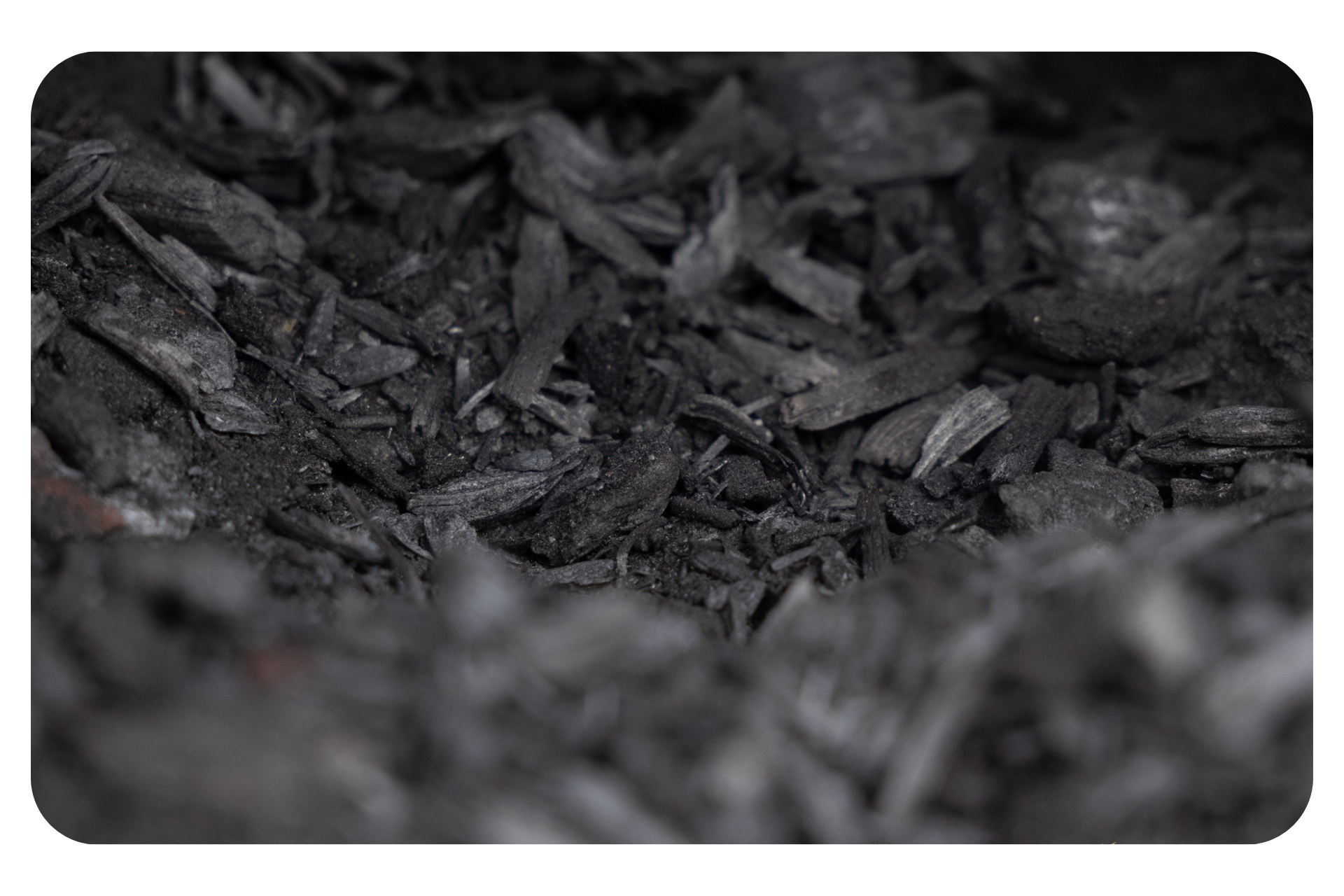
Current challenges
Despite its huge potential, pyrolysis still faces obstacles before it becomes a mainstream waste solution:
- The process can release harmful emissions from plastics, requiring advanced filtration systems, while inconsistent or contaminated waste streams compromise efficiency and output quality. [1]
- Scaling up from lab and pilot tests to industrial operations remains challenging due to technical and cost barriers, and unrefined bio-oil often can’t be directly combusted with burners designed for the use of heavy fossil fuels. [2], [3]
- High upfront investments and uncertain revenue from emerging bio-oil/syngas markets make it less competitive than traditional waste management without government support and investor backing. [4]
Outputs and uses
While pyrolysis faces hurdles, its potential benefits make it a technology worth pursuing. At its core, pyrolysis offers a simple yet revolutionary concept: taking problematic waste — such as plastics, tires, and agricultural residues — and transforming it into valuable resources without the pollution associated with traditional burning or landfilling. Yes, emissions control and waste contamination remain challenges, but when done right, pyrolysis prevents harmful substances from escaping into the air while converting trash into usable byproducts. Unlike incineration, which burns waste completely (releasing CO2 and toxins), pyrolysis operates in an oxygen-free environment, minimizing greenhouse gas emissions. Economically, this creates new revenue streams from waste, supports green jobs, and reduces energy costs compared to traditional fossil fuels.
The energy potential alone makes pyrolysis a compelling option. First, it produces bio oil, which can replace fossil fuel in industrial boilers and heavy-duty. [5] Additionally, the combustion of bio-oil features low emissions of CO2, NOx, and SOx, which can reduce air pollution compared to conventional fuel oil combustion. [6]
Second, it generates syngas that can be used across energy and chemical industries. It can generate electricity in gas turbines, substitute natural gas in heating systems, or be converted into liquid fuels like diesel and methanol through catalytic processes like Fischer-Tropsch Synthesis. The gas also serves as a key feedstock for producing hydrogen, ammonia for fertilizers, and other chemicals. [7]
Lastly, this process captures carbon in solid carbon-rich material known as biochar. When biochar is buried or added to soil, it acts as a carbon sink, while its porous structure improves water retention and nutrient availability. This creates healthier soil where plants grow stronger and naturally absorb more CO2 from the air. Beyond agriculture, biochar can even be processed into activated carbon for water filtration, making it far from just a ‘leftover’ material. Read our previous blog for more information about biochar for soil improvement.
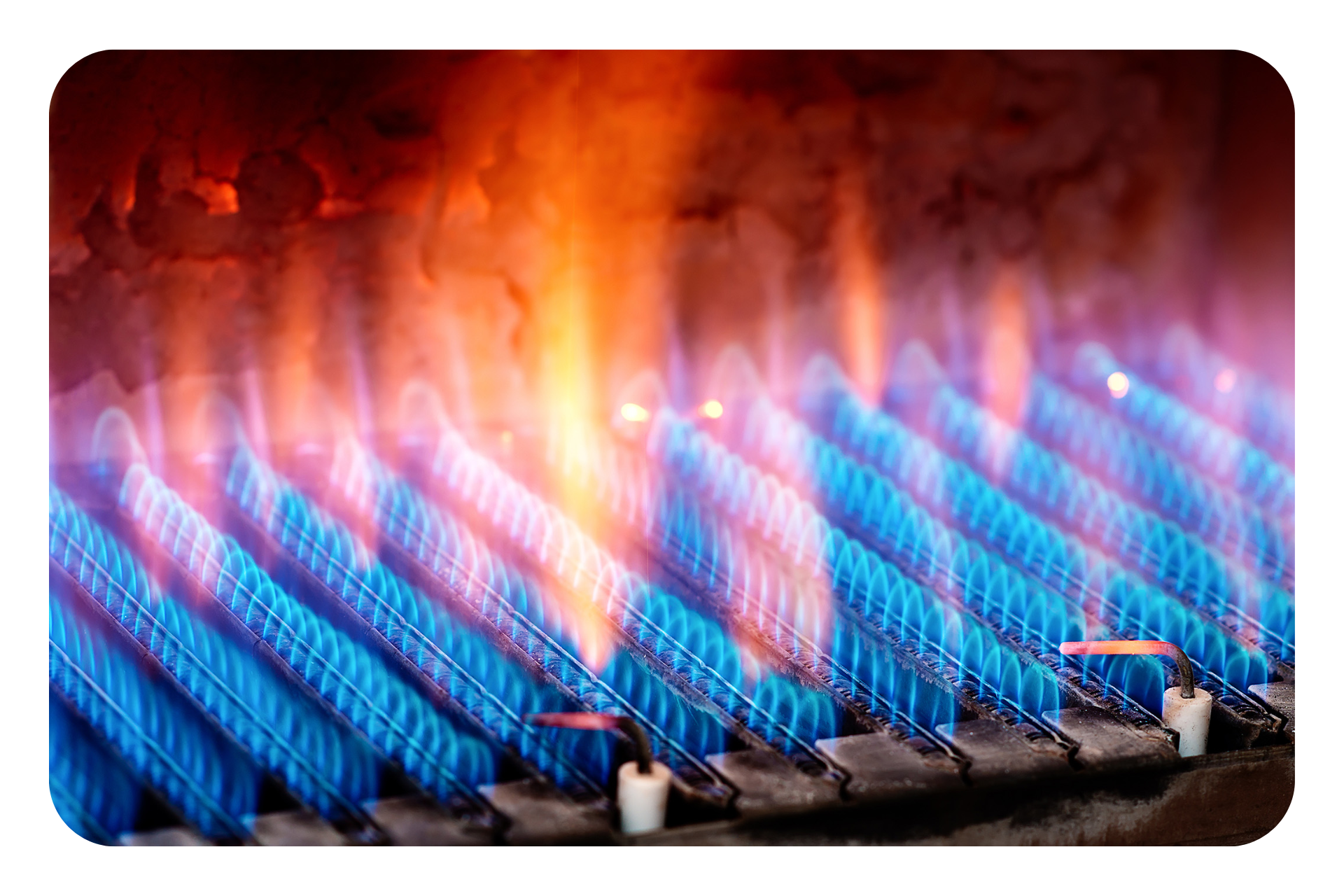
FENIX Project
The FENIX Project pioneers an industrial-scale circular bioeconomy model by innovatively integrating pyrolysis and anaerobic digestion to transform underutilized biowaste into high-value soil amendments. At the Marmagne facility in France, supported by CIRAD, low-value green waste (e.g., park prunings) is transformed into biochar via pyrolysis, meanwhile supermarket biowaste is processed into a nutrient-rich digestate. Ultimately, creating a synergistic soil improver that not only enhances carbon capture but also facilitates water retention, soil fertility, and crop productivity. This dual waste-stream approach reduces reliance on inorganic fertilizers, diverts organic waste from landfills, and offers a scalable solution for degraded agricultural soils, bridging the gap between waste management and regenerative agriculture.
References
1] M. P. C. Volpi, J. C. G. Silva, A. Hornung, and M. Ouadi, “Review of the Current State of Pyrolysis and Biochar Utilization in Europe: A Scientific Perspective,” Clean Technol., vol. 6, no. 1, Art. no. 1, Mar. 2024, doi: 10.3390/cleantechnol6010010.
[2] M. M. Hasan, R. Haque, M. I. Jahirul, and M. G. Rasul, “Pyrolysis of plastic waste for sustainable energy Recovery: Technological advancements and environmental impacts,” Energy Convers. Manag., vol. 326, p. 119511, Feb. 2025, doi: 10.1016/j.enconman.2025.119511.
[3] M.I. Jahirul and Mohammad Rasul, “Recent Developments in Biomass Pyrolysis for Bio-Fuel Production, Its Potential for Commercial Applications,” in ResearchGate, Jul. 2012. Accessed: Jun. 26, 2025. [Online]. Available: https://www.researchgate.net/publication/260165585_Recent_Developments_in_Biomass_Pyrolysis_for_Bio-Fuel_Production_Its_Potential_for_Commercial_Applications
[4] Quantri, “Challenges and Opportunities in Scaling Pyrolysis Technology – Green Tech Solutions.” Accessed: Jun. 26, 2025. [Online]. Available: https://gtstrading.vn/2025/02/11/challenges-and-opportunities-in-scaling-pyrolysis-technology/
[5] A. Inayat et al., “Techno-Economical Evaluation of Bio-Oil Production via Biomass Fast Pyrolysis Process: A Review,” Front. Energy Res., vol. 9, Jan. 2022, doi: 10.3389/fenrg.2021.770355.
[6] X. Hu and M. Gholizadeh, “Progress of the applications of bio-oil,” Renew. Sustain. Energy Rev., vol. 134, p. 110124, Dec. 2020, doi: 10.1016/j.rser.2020.110124.
[7] J. A. M. Chavando, V. Silva, C. G. T. Caballero, J. S. Cardoso, L. A. C. Tarelho, and D. Eusébio, “Chapter 18 – Future prospects and industrial outlook of syngas applications,” in Advances in Synthesis Gas : Methods, Technologies and Applications, vol. 3, M. R. Rahimpour, M. A. Makarem, and M. Meshksar, Eds., Elsevier, 2023, pp. 427–463. doi: 10.1016/B978-0-323-91878-7.00017-4.
By: E. Truong
Editorial: E. Knipping & L. Salinas
July 2025

